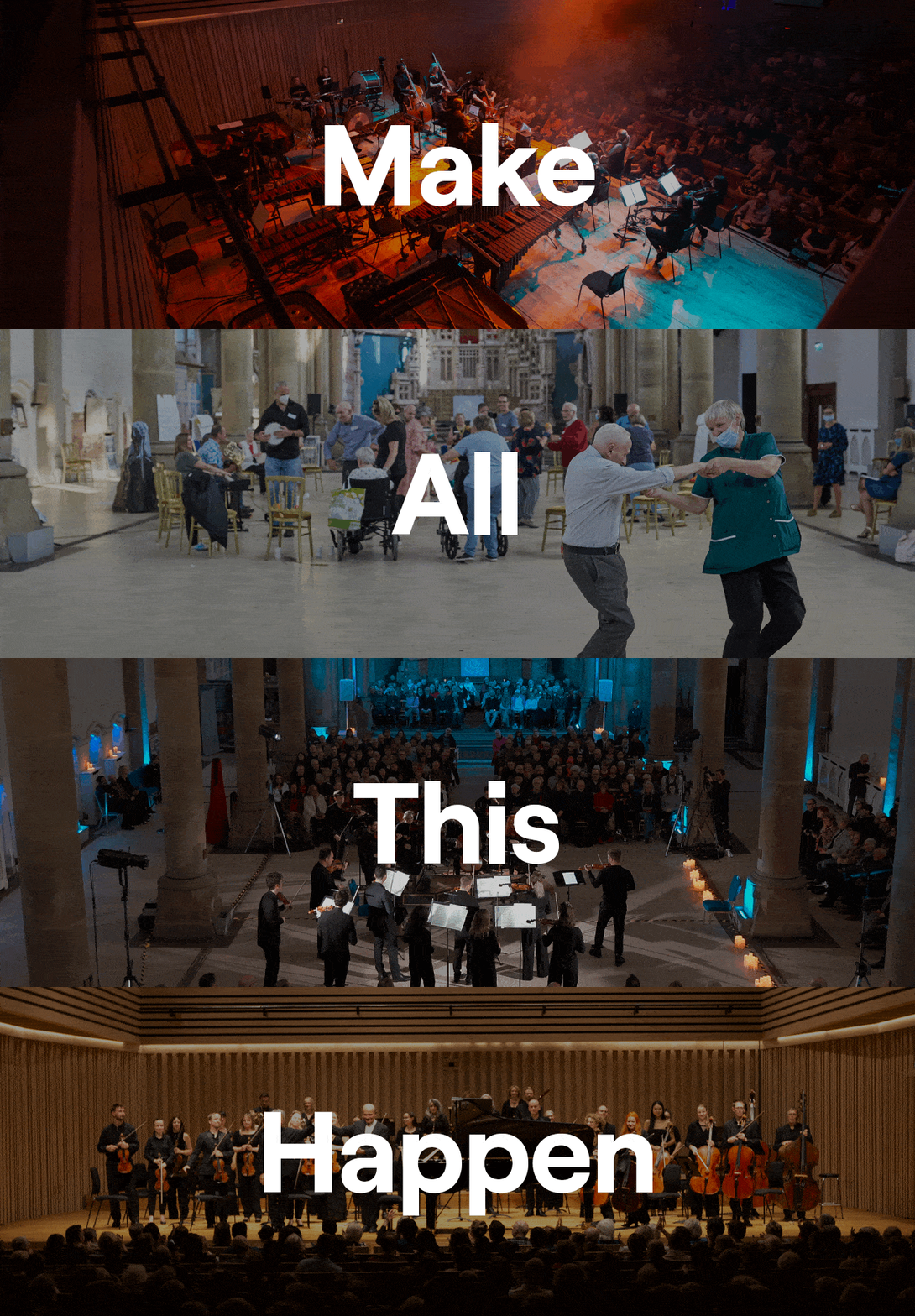
- The Camerata 360° Residency will create up to 1,200 paid musician days over three years
- Eight residents each year will receive up to 50 days of guaranteed work spanning performance, community engagement, and professional development
- The programme responds to insecure freelance employment while helping musicians build sustainable, wide-ranging careers
- Residents will develop various projects using music to support wellbeing and community connection across Greater Manchester, nurturing the careers of emerging professional artists
- Supported by Arts Council England, the Garrick Charitable Trust, philanthropists and legacy givers, the Residency offers a new model for investing in the people at the heart of the UK’s music sector
Manchester Camerata has announced a major investment in freelance musicians: a three-year residency offering 1,200 days of paid work alongside professional development and creative opportunities.
Supported by Arts Council England, the Garrick Charitable Trust, philanthropists and legacy givers, the Camerata 360° Residency will appoint eight musicians a year, each receiving up to 50 paid days across the orchestra’s artistic and community programmes. It responds directly to the insecure employment, diminishing opportunities and unstable incomes affecting freelance musicians across the UK cultural sector.
Recruitment was open to Camerata members, regular extras, and community musicians who had worked with the orchestra during the previous year. Residents will combine concert and community work with individual projects designed to diversify and strengthen their work portfolios whilst creating opportunities for other freelance artists and benefitting Greater Manchester communities.
Bob Riley, Manchester Camerata’s Chief Executive, has long championed the freelance musical ecology, including through industry representations to Lisa Nandy and the Department for Culture, Media and Sport, calling for greater support from government, orchestras and venues.
He said:
“Freelance musicians are the lifeblood of our sector, yet too many are facing an increasingly uncertain future. We believe orchestras have a responsibility not only to create exceptional artistic experiences, but to invest in the people who make them possible. The Camerata 360° Residency is our commitment to helping talented musicians build sustainable careers, develop new skills, and create meaningful impact in communities across Greater Manchester. We hope it can contribute to a wider conversation about how our industry supports the freelance workforce upon which it depends.”
Darren Henley, CEO of Arts Council England, said:
“Individual creatives and cultural practitioners play such an important role in the creative sector but maintaining a career can be precarious and that is why we’re pleased to be supporting Manchester Camerata’s 360° Residency programme. I enjoyed meeting some of the musicians who will be taking part recently and I know that the opportunities afforded by the programme will be immensely valuable to them and their professional development, as well as enabling them to take part in Manchester Camerata’s pioneering work with its local community.”
The inaugural 2026/27 cohort comprises composer Richard Taylor; music therapist Mina Jackson; and musicians Ryan Breen (tuba), Áine Molines (flute), Andrea Vogler (percussion), Di Clark (double bass), Rachael Clegg (oboe) and Will Newell (violin).
Their projects span artistic innovation, health and wellbeing, work with young people, inclusion, intergenerational activity and the development of Music in Mind, advancing Camerata’s vision of music as a force for change. Alongside their community impact, the Residency will broaden the artists’ skills and strengthen the sustainability of their freelance careers.
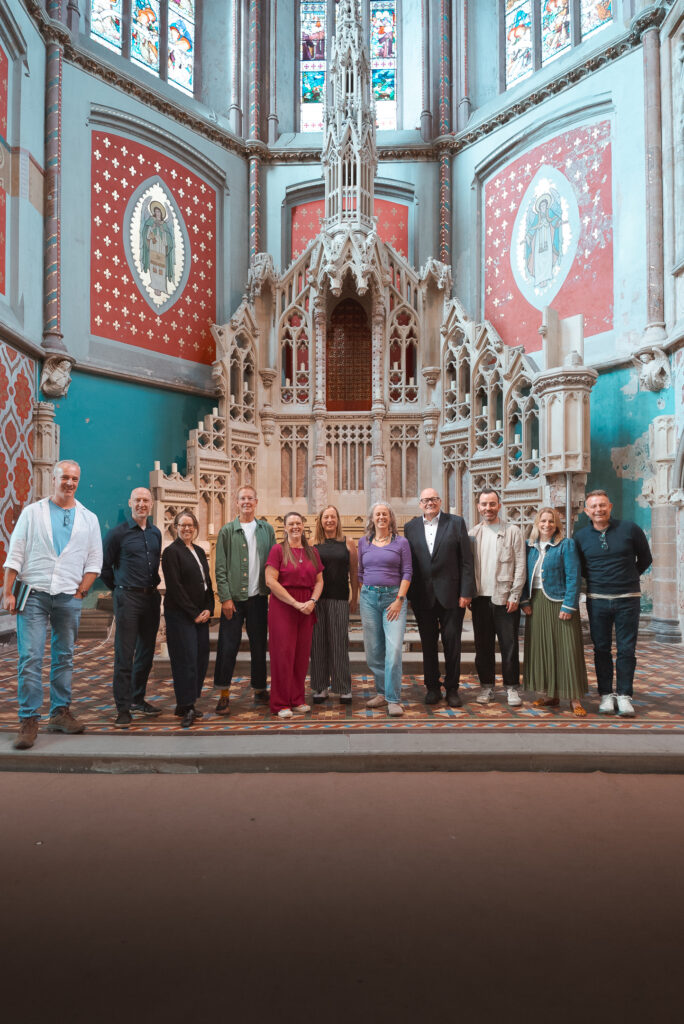
Camerata Residents 2026–2027 and their projects
Richard Taylor – composer
Richard will develop A Manchester Symphony, a large-scale work inspired by Camerata’s activity in schools, Music in Mind cafés, classical performance and collaborations with Manchester artists. A regular composing group will support the project, which will be open to participants from across the region.
Mina Jackson – music therapist
Mina will work with Camerata to adapt Music in Mind for neurodivergent and disabled participants, delivering workshops in schools, alternative provision and community settings. Involving teachers, musicians and carers, she will develop accessible approaches that encourage creative expression, social connection and more inclusive practice.
Ryan Breen – tuba
Ryan will create a clear, repeatable framework for Music in Mind methodology to improve health and wellbeing, exploring how more practitioners can be equipped to deliver the programme effectively and widen its long-term reach.
Áine Molines – flute
Áine will develop a programme for young people with partners including the RNCM, giving music students side-by-side experience of community work. She will build relationships with youth orchestras, Youth Zones, schools, early-years settings and groups for young people with additional needs, delivering co-created sessions focused on music and health.
Andrea Vogler – percussion
Andrea will create Music for Life, an intergenerational programme combining Music in Mind with other artforms. Working with a composer-animateur, Camerata musicians and creative practitioners, participants will turn lived experience and cultural identity into short performance pieces while forging lasting links between schools, care homes and community groups.
Diane Clark – double bass
Di will work with Camerata’s administrative teams on community and artistic projects throughout the 2026/27 season. Drawing on her interests in mental health and accessible performance, she will collaborate with staff and fellow residents to strengthen this strand of the orchestra’s work.
Rachael Clegg – oboe
Rachael will explore how live, electronic and recorded music can enhance somatic breathwork and meditation through Music Guided Resonance Breathing. Alongside training in the Music Breathing method, she will develop an immersive event using ambient lighting, a spacious layout and a calming musical environment to offer accessible support for people experiencing anxiety or PTSD.
Will Newell – Violin
Will plans to establish Camerata as a creative laboratory where musicians and artists can test ideas across genres. An open call and one-to-one development sessions will lead to selected collaborations with arrangers, composers and Camerata musicians, with the model later extending into community settings to give young and emerging creators a route into meaningful music-making.
Donate now.